Caribbean Food Centennial: Classic Island Dishes Reimagined
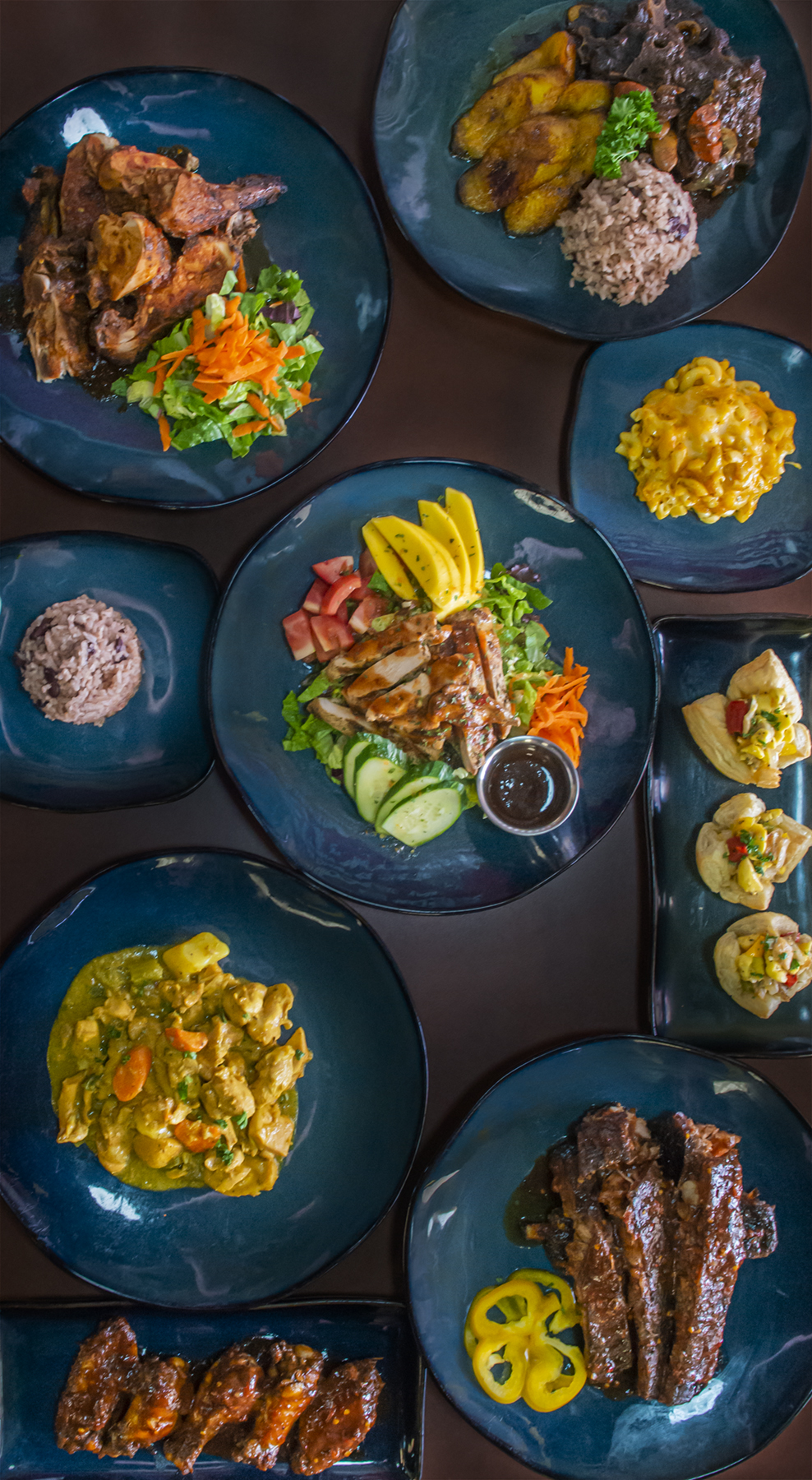
A centennial invites two impulses that do not always sit comfortably together. One is preservation, the urge to hold a beloved dish exactly where memory left it. The other is reinterpretation, the chef’s instinct to ask what else the dish can say if the ingredients, the plating, or the technique change. Caribbean cooking, perhaps more than any other regional cuisine in the Atlantic world, thrives in that tension. It carries histories of migration, trade, colonial pressure, agricultural ingenuity, and family ritual, yet it has never been static. Pots have always adjusted to season, scarcity, celebration, and place.
That is what makes the idea of a caribbean food centennial so compelling. It is not simply a nostalgia exercise built around old recipes. It is an opportunity to look at classic island dishes as living forms, sturdy enough to endure and flexible enough to evolve. Across Jamaica, Trinidad and Tobago, Barbados, Puerto Rico, the Dominican Republic, Haiti, Cuba, and the smaller islands that are too often flattened into one broad category, food remains one of the clearest expressions of local identity. The most memorable versions of these dishes still taste grounded in home, even when the chef has pushed them into new territory.
I have seen that firsthand in hotel kitchens trying to honor local food without turning it into caricature, in neighborhood restaurants where a grandmother’s method quietly shapes the menu, and in food festivals where younger cooks test the patience of elders by deconstructing something that rarely needed deconstruction in the first place. The strongest reinterpretations do not treat tradition as raw material to be conquered. They treat it as structure, flavor memory, and inherited judgment.
The old wisdom inside Caribbean cooking
A good Caribbean dish is rarely just a recipe. It is a system of decisions. How deeply to caramelize sugar before building a stew. Whether a pepper should perfume the pot or break open and assert itself. When coconut milk enriches and when it dulls. How long to soak salted cod so it seasons rather than overwhelms. These are not decorative details. They are the difference between food that gestures toward the islands and food that truly belongs there.
That is why classic dishes have endured for generations. They were built for flavor, yes, but also for climate, economy, labor, and community. One-pot meals make sense in households feeding many people. Root crops last and satisfy. Pickling, salting, smoking, and stewing all emerged not from trend but from necessity. Rice and peas, pelau, souse, callaloo, pepperpot, mofongo, cou-cou, run down, jerk, roti, and escovitch all reveal some version of that practical intelligence.
A centennial lens helps illuminate another truth. Caribbean food has always been a cuisine of adaptation. Enslaved Africans transformed provisions into sustaining, deeply flavorful meals. Indian indentured laborers changed the region’s spice grammar and street food habits. Chinese migrants altered frying techniques and pantry choices. European methods came in through formal dining, bakeries, preserves, and imported ideas of luxury. Indigenous knowledge remained visible in cassava, peppers, cooking vessels, and local agriculture. Reimagining these dishes today is not a break from tradition. It is, in many cases, tradition continuing to do what it has always done.
Reimagining without stripping away identity
The mistake many modern menus make is assuming that refinement means subtraction. Sauces become dots, portions shrink to symbolism, and the food may become elegant but strangely mute. Caribbean food does not respond well to that kind of thinning out. It needs aromatic depth, textural contrast, and enough confidence to let sweetness, heat, acid, smoke, and starch share the plate.
The better approach is to identify what gives a dish its identity and then decide what can shift. Sometimes the answer lies in technique. A braise can become a glaze without losing its soul. A traditionally rustic mash can become a crisp croquette if the underlying flavor balance remains intact. Sometimes the answer lies in sourcing. Breadfruit used in place of imported potato is not novelty in much of the region, but in urban dining rooms it can reset the whole conversation about what counts as luxury.
There is also a matter of proportion. A modern plate can become more vegetable-forward, lighter in starch, or more precise in seasoning while still respecting the original dish. I have tasted elegant versions of escovitch fish where the pickle remained sharp and exuberant, but the frying was cleaner and the garnish less cluttered. I have also had versions that used expensive fish and artisanal vinegar yet lost the essential punch that makes escovitch worth craving. Technique matters, but conviction matters more.
Jerk beyond the smoke pit
Jerk is perhaps the Caribbean dish most vulnerable to simplification. Outside Jamaica, it is often reduced to a generic spice rub with heat and a little sweetness. Proper jerk is more specific than that. Pimento, thyme, scallion, Scotch bonnet, allspice leaf smoke, and the unmistakable depth that comes from slow cooking over wood form a recognizable profile. The seasoning should penetrate. The smoke should not bully the palate, but it has to be there.
Reimagining jerk works best when chefs preserve those fundamentals and change the form rather than the flavor logic. Jerk pork belly, cured and slow roasted, can carry the same aromatic intensity as roadside jerk chicken while appealing to a different dining setting. Jerk-spiced king oyster mushrooms can be surprisingly persuasive in a vegetable-centered menu, but only if they are treated with enough smoke and char to avoid tasting like a compromise. Even seafood versions can succeed, though they require restraint because delicate flesh takes the seasoning differently than chicken or pork.
There is a practical challenge here. Traditional jerk methods are difficult to replicate in many commercial kitchens with ventilation restrictions, time limits, and urban fuel costs. That is where professional judgment comes in. Pimento wood is not always available. A cook may need to layer smoke through charcoal, leaf wrapping, spice extraction, and finishing glaze rather than one perfect fire. Purists will notice the difference. Still, a thoughtful workaround is better than a false claim of authenticity built on bottled sauce and a grill pan.
Callaloo as technique, not just a side dish
Callaloo occupies different meanings around the Caribbean. In Trinidad, it is often a lush, blended preparation enriched with coconut milk, okra, aromatics, and greens such as dasheen bush. Elsewhere the term may refer more broadly to leafy greens cooked down with varying accompaniments. This variation is precisely why callaloo offers so much room for reinvention. Its essence lies less in one rigid formula and more in the handling of greens, mucilage, fat, and fragrance.
Contemporary chefs have started treating callaloo as a base component rather than only a finished side. That can mean a callaloo velouté with crab, a callaloo risotto built with local rice, or a thickened callaloo folded into savory pastries. Some of these ideas work beautifully because they highlight the dish’s earthiness and its natural affinity for seafood. Others feel forced, especially when the caribbean food centennial greens are over-puréed into anonymity or over-seasoned in an attempt to make them “chefy.”
The smartest versions respect the dish’s humble intelligence. Callaloo should feel green in the full sense of the word, fresh, mineral, rounded by coconut or stock, and sharpened by herbs or pepper. When it gets too creamy or too fine, it starts speaking a different language. I once had a version served with seared scallops that was nearly flawless because the cook had kept enough texture in the greens to remind you of the original pot. Another version, made into a foam, disappeared before it made its point.
Saltfish and provisions, elevated the right way
Saltfish appears across the region in different guises, often paired with ground provisions, plantains, dumplings, or sautéed vegetables. It is one of those ingredients that teaches humility. Handled carelessly, it dominates everything with blunt salinity. Handled well, it becomes savory, almost sweet, and deeply satisfying.
Modern kitchens have several ways to reinterpret saltfish without draining it of character. Confit preparations can soften the texture. Brandade-like fillings can nod to European technique while staying grounded in Caribbean flavor. Accras, fritters, and stuffed bakes remain fertile ground for innovation because they are already structurally adaptable. The danger is refinement without generosity. Saltfish dishes need contrast, the softness of yam or breadfruit, the brightness of tomato or lime, the bite of onion, the heat of pepper, the comfort of starch.
Ground provisions deserve just as much attention as the fish itself. In too many upscale contexts, yam, cassava, green banana, eddoes, and sweet potato are treated as peasant relics while imported grains receive the prestige treatment. That hierarchy makes little culinary sense. A well-roasted wedge of breadfruit with brown butter and thyme can outshine a plate of indifferent potatoes. Cassava purée, if properly worked, offers a dense, nutty depth that supports rich proteins better than many fashionable starches. If a caribbean food centennial is meant to honor culinary continuity, provisions should sit at the center rather than the margins.
Rice dishes tell the story of the region
No category reveals the Caribbean’s layered history more vividly than rice dishes. Pelau, cook-up rice, arroz con gandules, moro, and rice and peas all carry traces of movement and exchange. They are practical dishes, but they are not plain ones. They depend on timing, moisture control, and seasoning confidence. A novice can follow the ingredient list and still miss the point entirely.
Reimagining rice dishes usually works when the cook focuses on concentration rather than complication. Pelau, for example, gets its identity from caramelized sugar, meat drippings, coconut notes in some versions, peas, and the gradual absorption of flavor into rice. A refined presentation could shape the rice more neatly or pair it with a sharper condiment, but if the rice itself is not deeply seasoned, no garnish can rescue it. Arroz con gandules can support duck confit or local mushrooms just as well as traditional pork, provided the sofrito backbone remains strong.
There is a temptation in contemporary dining to turn these dishes into composed plates with rice as an accent rather than the main event. Sometimes that is useful. More often it underestimates what the dish already is. Rice, in the Caribbean, is not filler. It is architecture. It binds stock, aromatics, beans, meat juices, and memory into a single form. A chef reimagining it should start from that respect.
The promise and risk of modern plating
Visual refinement has its place. Caribbean food is often described with affection but not always presented with the caribbean food centennial visual seriousness granted to European fine dining. Better plating can help correct that bias. It can show diners the intricacy of the cuisine, its color contrasts, its botanical range, and its precision. Yet plating can also distort. The food begins to look expensive at the cost of feeling complete.
The strongest island restaurants I have visited understand that satisfaction is part of aesthetics. A dish can be beautifully arranged and still feel like dinner rather than a concept sketch. Sauce should be there in an amount you can actually taste. Pickles should cut richness rather than merely decorate the rim. Crisp elements need to remain crisp in tropical humidity or in air-conditioned dining rooms where food sits too long before service. These may sound like mundane concerns, but they are where many ambitious reinterpretations fail.
A chef once told me that Caribbean flavors are “too loud” for minimalist plating. I disagree. They are too honest for empty plating. If the dish needs gravy, give it gravy. If it needs a wedge of lime, do not replace that function with a microgreen. The plate should honor how the food eats, not merely how it photographs.
Desserts deserve more imagination
Savory dishes usually dominate conversations about Caribbean culinary heritage, but desserts offer some of the most exciting room for reinvention. The pantry is rich with coconut, rum, guava, tamarind, sorrel, soursop, passion fruit, cassava, sweet potato, nutmeg, cinnamon, and condensed milk. Traditional sweets can be heavy, festive, and intentionally sweet, built for gatherings rather than delicate individual service. That does not make them outdated. It simply means a modern pastry chef has clear decisions to make about balance.
Black cake is a good example. Its density, fruit maceration, and dark bittersweet character can be translated into petits gâteaux, plated desserts, or even frozen preparations, but the essential soaked-fruit intensity has to remain. A timid black cake dessert misses the whole point. The same applies to coconut drops, cassava pone, sweet potato pudding, and guava pastries. These are not desserts that whisper. They announce themselves.
Where innovation really shines is in texture. A silky sorrel curd can bring sharpness to a tart. Toasted cassava crumble can replace imported biscuit bases. A frozen soursop parfait can lighten a meal while staying unmistakably tropical. The trade-off is sugar. Many traditional recipes were designed around preservation, celebration, and abundance, not contemporary preferences for restraint. Lowering sweetness can improve balance, but push too far and the dessert loses the emotional register that made it beloved.
Street food is not a lower form
Some of the most successful reinterpretations of Caribbean food begin not in banquet kitchens but in the logic of street food. Doubles, patties, bake and shark, alcapurrias, pholourie, johnny cakes, and roti already possess portability, strong flavor contrast, and built-in craveability. These qualities translate well into modern casual dining, tasting menus, and even retail products.
The danger lies in sanitizing away the very qualities that make street food resonate. Doubles, for instance, rely on softness, spice, chutney, and a little mess. If the bara becomes too stiff or the channa too precious, the dish loses its pulse. Patties can be elevated with better pastry lamination, carefully spiced fillings, or superior local meat, but they should still feel like something you want to eat hot and quickly, preferably with fingers. Not every dish needs to be detached from its social setting to be taken seriously.
What chefs can do, and should do more often, is apply rigorous technique to forms that have historically been dismissed as informal. Good frying oil management, cleaner spice layering, sharper condiments, and smarter sourcing can transform a familiar snack without turning it into a museum object.
What should never change
For all the excitement around reinterpretation, certain principles deserve protection. The first is flavor integrity. Caribbean dishes should still taste like themselves, not like generic global bistro food with a little Scotch bonnet on top. The second is ingredient respect. If local breadfruit, cassava, pigeon peas, plantains, okra, conch where sustainable and legal, or fresh herbs are available, they should not be sidelined for imported status ingredients simply to signal luxury. The third is context. Food from the islands carries stories of labor and celebration, of Sundays, wakes, roadside grills, beach stalls, and market mornings. A centennial treatment that ignores that social life can feel polished and strangely vacant.
A useful test is to ask whether someone raised on the dish would recognize its intent, even if they debate the execution. Recognition matters. Not unanimous approval, because every household defends its own version, but recognition. If the grandmother at the table can say, “I see what you did there,” the dish probably still has a line back to home.
Here are a few markers that tend to separate thoughtful reinvention from gimmick:
- The dish keeps its core flavor structure, even when the format changes.
- Local ingredients are used for more than decoration or branding.
- Technique improves texture, clarity, or consistency without flattening character.
- Portioning suits the dish’s purpose, whether snack, main course, or dessert.
- The reinterpretation remains understandable to people who know the original.
A centennial worth tasting
The finest expressions of Caribbean cooking have always balanced inheritance and improvisation. That balance is not a compromise. It is the cuisine’s native state. A caribbean food centennial, approached seriously, becomes more than an anniversary phrase. It becomes a framework for asking what deserves preservation, what deserves renewal, and who gets to shape the next hundred years of island food.
If the answer comes only from luxury resorts and trend-sensitive city restaurants, the picture will be incomplete. The future will also be decided by home cooks adapting recipes to health needs and tighter budgets, by farmers reviving undervalued crops, by bakers refining old methods, by food entrepreneurs bottling pepper sauces with integrity, and by younger chefs who understand both fermentation logs and family lore. Caribbean food has room for all of them.
The classic island dishes that endure do so because they still satisfy on the most basic level. They comfort, they sharpen appetite, they carry memory, and they gather people to the table. Reimagined well, they do not lose any of that. They simply become more legible to a new generation of diners, one plate at a time.
Reggae Pot Jamaican Grill
Address: 7562 S University Blvd Unit C, Centennial, CO 80122
Phone: (303) 997-5623
FAQ About caribbean food centennial
What Jamaican dishes can I try in Centennial?
Reggae Pot Jamaican Grill serves Jamaican specialties such as jerk chicken, stewed oxtail, curry goat, and ackee and saltfish. Check the current menu for availability.
What is ackee and saltfish?
It is Jamaica’s national dish. The restaurant prepares ackee with salted cod, onions, thyme, tomatoes, garlic, black pepper, and pimento.
Can I order Jamaican food for pickup in Centennial?
Yes. Choose the Centennial location at 7562 S University Blvd Unit C when placing a takeout order.