Caribbean Food Centennial: 100 Years of Bold and Beautiful Cooking
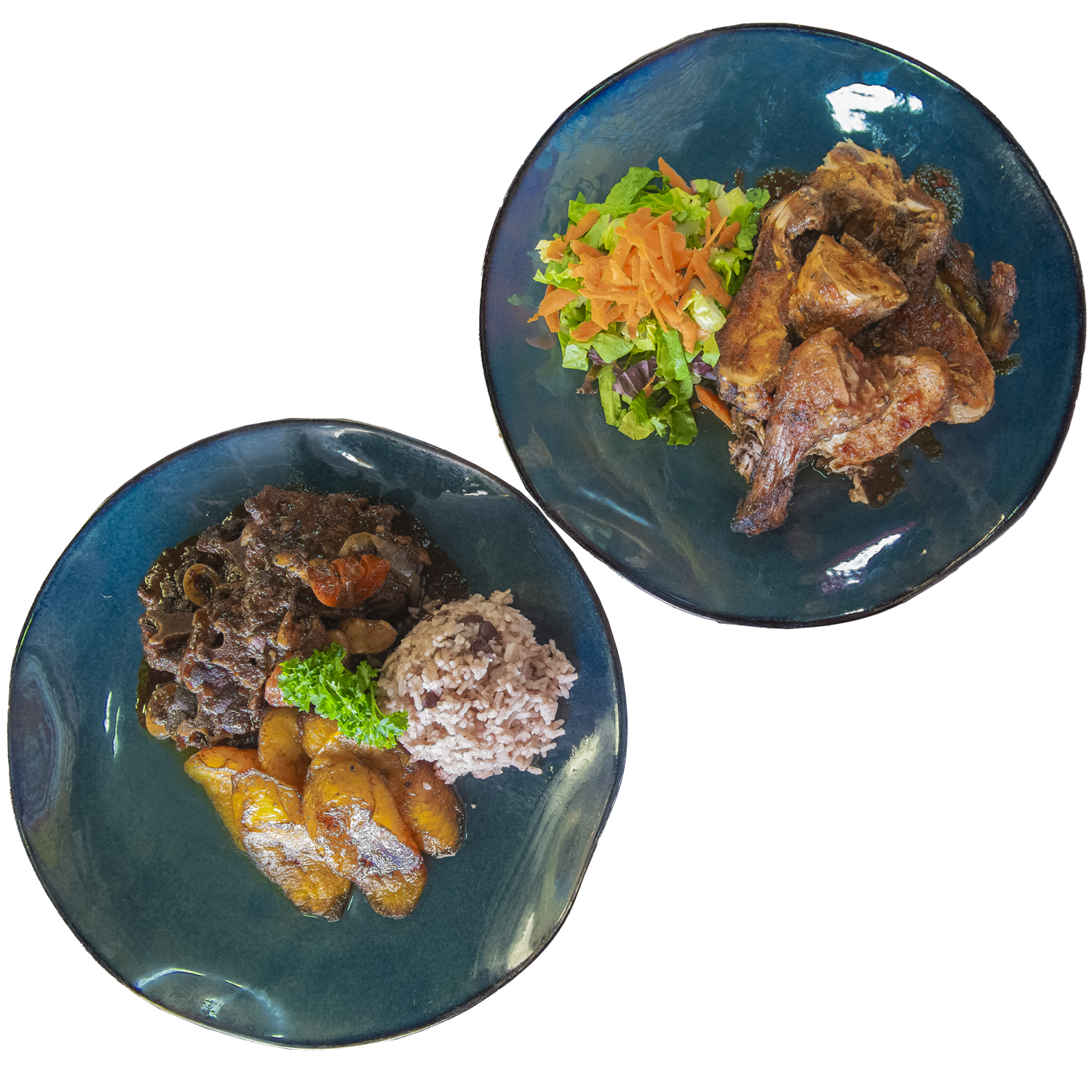
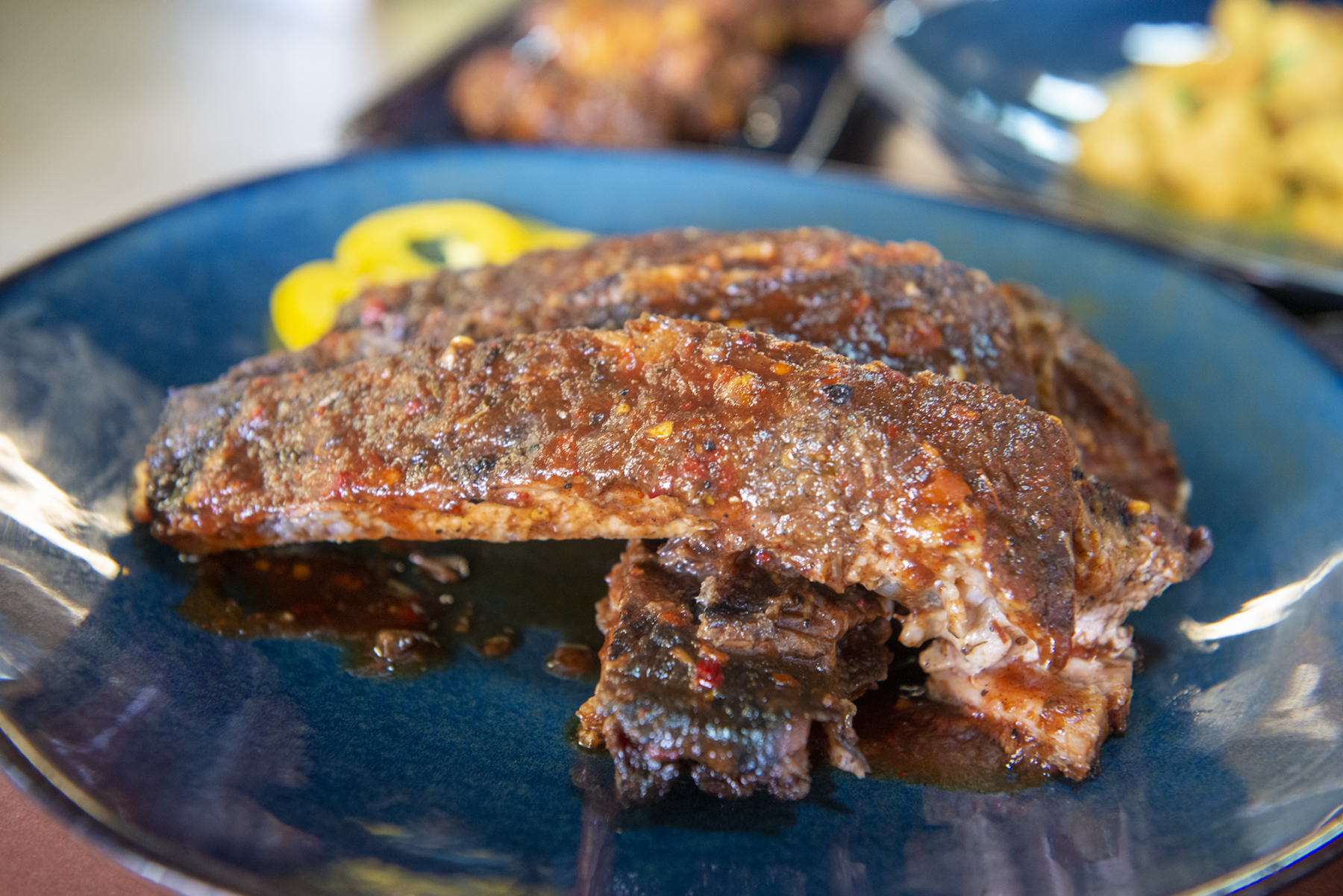
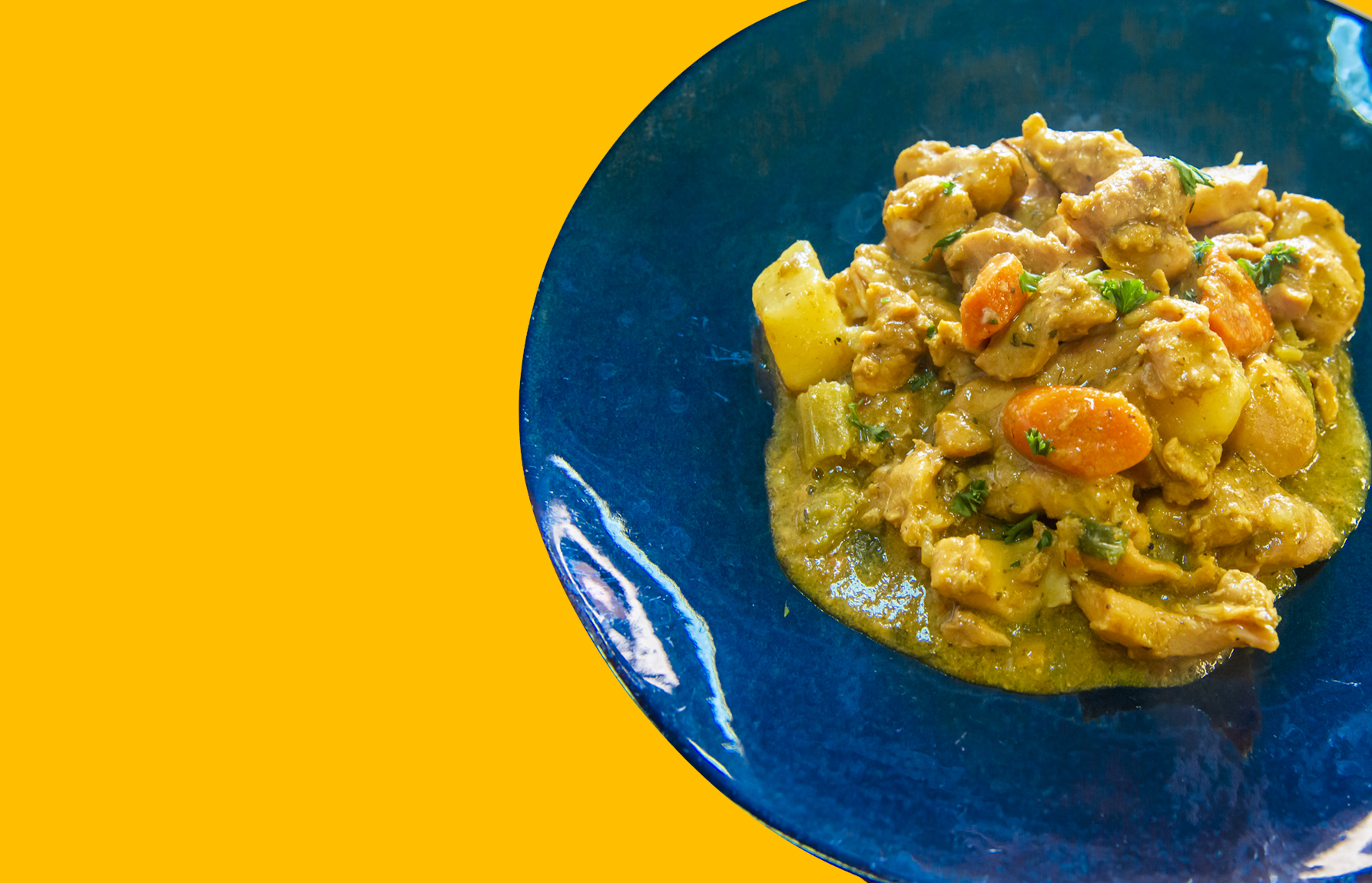
A century is long enough for a cuisine to travel, adapt, survive shortages, absorb influence, and still keep its soul. That is what makes any reflection on a Caribbean food centennial so compelling. Caribbean cooking has never been static. It has always been a working cuisine, shaped by migration, trade, colonial rule, resistance, farming, fishing, street vending, church suppers, family Sunday tables, and the practical question that every great cook understands well: what is available, and how do we make it unforgettable?
The answer, across the Caribbean, has often been bold seasoning, careful layering, and a refusal to waste flavor. Pepper sauces wake up the plate. Citrus and vinegar sharpen rich dishes. Coconut milk softens heat and carries spice. Smoke, char, and browning build depth. Starches such as rice, green banana, cassava, yam, breadfruit, and plantain anchor meals that are at once humble and celebratory. The result is cooking that feels alive, deeply local, and instantly recognizable even as it changes from island to island.
Looking back across the past hundred years, what stands out is not only the beauty of the food itself, but the way it tells the region’s history in practical, edible form.
A cuisine made by movement
Caribbean food did not emerge from a single tradition. It grew from contact, conflict, and exchange. Indigenous foodways laid the earliest foundation, especially with cassava, peppers, maize, seafood, and methods suited to tropical climates. Later came African culinary knowledge, arguably the most powerful shaping force in everyday Caribbean cooking, especially in one-pot meals, fritters, stews, rice dishes, seasoning techniques, and the skilled use of provision grounds and garden crops.
European colonization altered ingredients and labor systems on a massive scale. Salted cod, pork, wheat flour, cane sugar, rum, and imported staples entered the food economy. Indian indentured workers brought chutneys, curries, rotis, cumin, coriander, split peas, and new approaches to spice. Chinese migrants contributed stir-frying methods, noodle dishes, soy-based seasonings, and a distinct hybrid takeaway culture in several territories. Middle Eastern, Portuguese, and other communities added their own threads.
What matters is that Caribbean cooks did not simply receive these influences. They transformed them. Curry became Caribbean curry, often brighter, hotter, and more herb-forward than its antecedents. Saltfish became breakfast, fritter filling, and national symbol. Rice and peas, callaloo, pepperpot, souse, goat water, cou-cou, mofongo, pelau, jerk, doubles, patties, and bake and shark all reveal the same instinct: adapt, season boldly, and make the dish belong to this place.
That process intensified over the last hundred years, especially as migration increased between islands and from the Caribbean to cities such as London, Toronto, Miami, New York, and Amsterdam. Food moved with people. Recipes changed when cooks had to substitute ingredients. Scotch bonnet might be replaced with habanero in one kitchen, pimento wood with allspice and smoke in another. Some changes were compromises. Others produced entirely new classics.
The pantry that built the table
Spend enough time in Caribbean kitchens and one lesson becomes obvious. Great results rarely come from a long ingredient list alone. They come from knowing how a few core items behave together.
A proper green seasoning, for example, is not just a herb paste. It is a foundation. Thyme, scallion, celery, parsley, onion, garlic, hot pepper, and sometimes culantro or chive can shift from marinade to stew base to finishing note. Browning is another small miracle, whether made from caramelized sugar or bottled for convenience. Used well, it deepens color and gives stewed meats that familiar dark gloss without pushing them into bitterness.
Across the region, some essentials turn up again and again:
- thyme and scallion for fresh aromatic lift
- allspice, ginger, and garlic for warmth and depth
- coconut milk for richness and balance
- citrus, especially lime, for brightness and cleaning meats
- hot peppers for both heat and fruity perfume
These ingredients do more than season food. They create identity. A pot of beans cooked without thyme and aromatics can feed a family. The same pot, when seasoned properly and finished with coconut milk or a pepper left whole to steep, becomes distinctly Caribbean.
What also defines the pantry is the relationship between fresh and preserved foods. Saltfish, smoked herring, cured pork, and pickled items were not only born from trade, they were practical solutions in hot climates and tight economies. Their salt and savor became part of the flavor memory of generations. Many of the dishes now celebrated in restaurants began as necessity cooking, the sort of food made because it stretched ingredients, fed many people, and kept well enough to last.
Fire, smoke, and the art of cooking outside
No serious conversation about the last hundred years of Caribbean cooking can avoid live fire. Grilling, roasting, smoking, and pit cooking have shaped both festive meals and ordinary weekend eating. Jerk is the obvious example, but not the only one. Beachside fish grills, roadside pan chicken, barbecued pigtails, and open-drum setups for community events all belong in the story.
Jerk, in particular, illustrates how Caribbean food reaches greatness through technique as much as ingredients. The seasoning blend matters, certainly. Scotch bonnet, scallion, thyme, allspice, garlic, ginger, and often a touch of sweetness create the familiar profile. But the larger point is method. Real jerk gets its character from smoke, from time, and from controlled heat. Quick oven versions can be very good. They can even be excellent weeknight food. Yet they rarely deliver the same depth as meat cooked slowly over wood, where fat renders gradually and spice crusts into the skin.
That distinction matters because over the past century, modernization has both preserved and flattened Caribbean food. Gas stoves, electric ovens, pressure cookers, bottled sauces, and commercial spice blends made dishes more accessible. They also changed texture and taste. A pressure cooker can save an hour on oxtail or pigeon peas. It cannot fully replace the flavor of a pot given patient time on the fire. Every cook makes these trade-offs. The best ones know when speed is acceptable and when tradition needs protecting.
Rice, ground provisions, and the intelligence of balance
One of the pleasures of Caribbean cooking is how well it balances richness with restraint. A plate may include stewed chicken, rice and peas, fried plantain, callaloo, and a slice of avocado, yet the overall effect is not chaotic. It works because each component has a job. Rice absorbs gravy. caribbean food centennial Greens cut heaviness. Plantain adds sweetness. Pepper sauce sharpens the whole plate. Provision fills you honestly.
The last hundred years have not changed that logic. If anything, they have proved how durable it is. In times of prosperity, these combinations become lavish. In leaner times, they become simpler. The structure holds.
Ground provisions deserve more respect than they often receive outside the region. Yam, eddoe, dasheen, cassava, sweet potato, and green banana are not side notes. They are central to the diet and to the historical reality of feeding families from local crops. Breadfruit, once planted widely because it was productive and filling, remains one of the great examples of Caribbean ingenuity in the kitchen. Roast it, fry it, boil it, mash it, turn it into salad, or pair it with saltfish, and it behaves like a starch with personality.
Rice, too, became a vessel for creativity. Pelau in Trinidad and Tobago, cook-up rice in Guyana, peas and rice across Jamaica and elsewhere, pigeon peas with coconut in many islands, all show how cooks turned one-pot meals into architecture. Texture matters here. Rice should not be mushy. Peas should hold their shape. Meat should season the whole pot, not just sit on top of it. The best versions taste as if every grain had a purpose.
Street food as public memory
If home kitchens preserve tradition, street food keeps it visible. Roadside stalls, market women, beach shacks, rum shop cookouts, and bakery counters have carried Caribbean flavor through every economic swing of the past century.
A person can understand a place quickly by watching what people eat standing up. In Trinidad and Tobago, doubles became a triumph of portability and balance, bara soft enough to fold, channa thick enough to hold, pepper and kuchela adjusted to appetite. In Jamaica, patties turned flaky crust and spiced filling into an everyday institution. In Puerto Rico and the Dominican Republic, fritters and stuffed snacks built a whole language of quick eating. In Barbados, cutters capture the genius of simplicity, bread, filling, sauce, and enough seasoning to stay memorable.
Street food also reveals price sensitivity and innovation. Vendors know exactly how much heat customers tolerate at lunch, how long fried items stay crisp in humid weather, and which fillings sell on rainy days. Those details rarely make it into glossy food writing, yet they are part of the real record of a Caribbean food centennial. Food survives because somebody figured out how to make it practical.
There is also a social quality that should not be overlooked. Street food democratizes flavor. It is often where younger cooks learn pace, consistency, and customer judgment. It is where dishes can remain local instead of being polished into generic “island cuisine” for visitors. Some of the sharpest food in the Caribbean still comes wrapped in paper, caribbean food centennial reggaepotjamaicangrill.com handed through a small window, with no ambition to be anything other than delicious.
Sunday cooking, celebration, and the long table
For all the importance of stalls and takeaway counters, the emotional center of Caribbean food remains the shared meal. Over the past hundred years, Sunday lunch has held a special place across many territories and diasporic homes. It is often where recipes stay intact longest. People will shortcut breakfast. They will improvise a weekday dinner. Sunday is where they measure themselves.
A proper Sunday table often carries more than one time scale at once. Something may be marinated from the day before. Peas may be soaked overnight. Cake may have been baked earlier in the week. Sorrel, mauby, ginger beer, or rum punch might be prepared in advance. Cooking begins in stages, not all at once, and the house gradually fills with smell before anyone sits down.
This is also where the range of the cuisine becomes obvious. A holiday meal can include baked ham glazed with pineapple, curried goat, rice and peas, macaroni pie, callaloo, cucumber salad, black cake, and a bottle of homemade pepper sauce with alarming heat. Another family, on another island, may consider fish broth, stewed pigeon peas, roast breadfruit, and coconut tart the truer expression of celebration. Both are Caribbean. Both belong.
Certain dishes have become markers of national identity, but family variation remains strong. Ask ten cooks for stew chicken and you will see differences in sweetness, browning level, herb profile, marinating time, and whether they prefer the sauce thick or loose. That is exactly how living cuisines work. Consistency exists, but so does argument.
Migration changed the map, not the appetite
The Caribbean diaspora transformed the global visibility of the cuisine over the last century. From the middle decades onward, communities abroad rebuilt the food systems they needed. They planted callaloo in backyard plots, carried spice blends in suitcases, sourced goat from halal butchers, adapted recipes to supermarket realities, and taught children to want what grandparents cooked.
This process produced a second life for many dishes. Roti shops in Toronto, jerk centers in London, Caribbean bakeries in Brooklyn, and family restaurants in South Florida helped codify some recipes while loosening others. A dish served daily to office workers in Port of Spain might become weekend comfort food in Birmingham. Patties became frozen supermarket fare but also remained a serious bakery benchmark. Saltfish crossed into brunch menus. Oxtail moved from humble necessity to premium restaurant order as prices rose sharply in many markets.
Migration also raised difficult questions about authenticity. Should a jerk recipe use liquid smoke if pimento wood is unavailable? Is canned pigeon peas acceptable when fresh are impossible to source? What happens when health advice pushes cooks to reduce salt, sugar, or fat in foods that were designed around all three? There are no universal answers. Good cooks make informed compromises. Great cooks do so without losing the dish’s character.
A useful way to think about it is this: authenticity is not only ingredient fidelity. It is also respect for the dish’s logic. If you understand what sweetness, heat, acid, smoke, starch, and texture are doing, you can adapt responsibly.
Restaurants, refinement, and the risk of over-polishing
Over roughly the last thirty years, Caribbean food has gained more formal culinary recognition. Chefs have pushed regional ingredients into fine dining, tasting menus, boutique hotels, and contemporary bistros. That has brought overdue attention to serious technique and local produce. It has also created tension.
Refinement can be valuable when it clarifies flavor, improves sourcing, or highlights neglected ingredients such as cassareep, breadfruit flour, tamarind, soursop, sea moss, or fresh turmeric. It becomes less useful when it strips away abundance, context, or seasoning in the name of elegance. A tiny square of “deconstructed pelau” may be clever, but if it loses the dark caramel notes, the tenderness of pigeon peas, and the comfort that makes pelau beloved, it has missed the point.
The strongest modern Caribbean chefs tend to understand this instinctively. They edit where needed but keep the emotional architecture intact. They know that Caribbean food should smell generous before it looks pretty. They know sauces matter. They know starch is not an embarrassment but a foundation. They know a pepper element must taste like something, not merely threaten heat.
What a century has taught the best cooks
After a hundred years of adaptation, some lessons stand out with remarkable consistency.
- seasoning early usually beats seasoning late
- texture matters as much as spice
- smoke, acidity, and sweetness must be balanced, not piled on
- convenience tools help, but patience still shows on the plate
- the dish should feel generous, even when ingredients are modest
These are not rigid rules. There are exceptions everywhere. Some fish dishes need a lighter touch. Some soups are best when their flavors stay clean rather than heavily layered. Some festive sweets depend on restraint, not intensity. Yet the larger pattern holds. Caribbean food succeeds when the cook understands balance through experience rather than formula.
That experience includes knowing the edge cases. Coconut milk can enrich a pot beautifully, but too much can dull spice and make rice greasy. Browning can deepen stew, but a few seconds too far and it turns acrid. Scotch bonnet can perfume a dish with the pepper left whole, or overwhelm it if chopped carelessly. Saltfish can season an entire pan, or ruin it if not soaked and tasted. These are small decisions, but Caribbean cooking is full of them.
The next hundred years will still taste of memory
The future of Caribbean food will likely be shaped by climate pressure, rising import costs, health concerns, tourism, and the continued growth of the diaspora. Those forces will change what people plant, buy, and cook. Breadfruit may gain new relevance because it is productive and versatile. Cassava and sweet potato may continue to attract attention as resilient staples. Plant-based reinterpretations of classic dishes will expand, some successful, some forgettable. More regional ingredients will appear in international grocery chains. More chefs will document and publish what older generations once held only in memory.
Yet the cuisine’s durability does not depend on trend. It depends on households, vendors, fishers, farmers, bakers, and cooks who understand that flavor is cultural memory made practical. That is why the idea of a Caribbean food centennial resonates beyond nostalgia. It marks a hundred years in which the cuisine proved itself not only delicious, but resilient.
It survived empire, migration, scarcity, and commercialization without losing its voice. It remained colorful without becoming superficial. It stayed rooted while traveling widely. It welcomed influence without surrendering identity.
And above all, it kept feeding people well. Not abstractly, not symbolically, but truly. Rice in the pot. Pepper on the side. Something braised, something fried, something pickled, something sweet for later. The meal arrives with heat, fragrance, and confidence. That is the enduring beauty of Caribbean cooking, bold enough to announce itself, generous enough to invite everyone closer.
A hundred years on, the table still tells the story.
Reggae Pot Jamaican Grill
Address: 7562 S University Blvd Unit C, Centennial, CO 80122
Phone: (303) 997-5623
FAQ About caribbean food centennial
What Jamaican dishes can I try in Centennial?
Reggae Pot Jamaican Grill serves Jamaican specialties such as jerk chicken, stewed oxtail, curry goat, and ackee and saltfish. Check the current menu for availability.
What is ackee and saltfish?
It is Jamaica’s national dish. The restaurant prepares ackee with salted cod, onions, thyme, tomatoes, garlic, black pepper, and pimento.
Can I order Jamaican food for pickup in Centennial?
Yes. Choose the Centennial location at 7562 S University Blvd Unit C when placing a takeout order.